Mitsui Chemicals’ InnoCell P-Type plates for organoid-based drug discovery
 Japanese chemical manufacturer Mitsui Chemicals has launched InnoCell P-Type, a new adherent cell culture plate that combines the company’s proprietary oxygen-permeable material with surface treatment technology to improve cell adhesion.
Designed to support organoids and other three-dimensional (3D) cell models, the plate aims to improve the accuracy and reproducibility of drug efficacy and toxicity testing.
As drug discovery increasingly relies on models that better represent human biology, 3D cultures are being used to study disease mechanisms, evaluate treatments and advance personalized medicine.
However, densely growing cells and thick tissues can receive insufficient oxygen, affecting cell function, tissue uniformity and test reproducibility. InnoCell P-Type combines high oxygen permeability, low autofluorescence for improved imaging and low drug adsorption to minimize interference with test compounds.
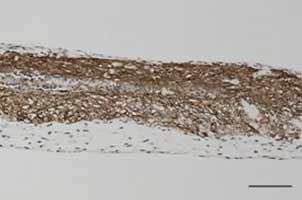
In research at Kansai Medical University, Dr Hidetoshi Masumoto used the plates to culture cardiac organoids derived from human induced pluripotent stem (iPS) cells. Compared with conventional polystyrene plates, InnoCell P-Type produced more uniform tissue thickness and thicker tissues, including a denser layer of cardiomyocytes positive for the cardiac marker troponin T.
Dr Masumoto said the findings suggest that culture vessels providing an appropriate oxygen supply could help researchers develop 3D cardiac tissue models.
Dr Jonny Sexton of the University of Michigan Medical School’s Department of Gastroenterology and Hepatology evaluated human intestinal organoid monolayers using the plates. Compared with conventional cell culture inserts, InnoCell P-Type enabled more sensitive and consistent assessment of epithelial barrier function, with improved barrier formation and responses to inflammatory stimulation. Its low autofluorescence may also benefit high-content imaging and high-throughput screening of intestinal barrier function.
Dr Sexton said the combination of imaging performance and oxygen and gas permeability could promote organoid maturation and functional development, supporting more representative 3D models for disease research, drug discovery and regenerative medicine.
Toshihiko Omote, Mitsui Chemicals’ board member, managing executive officer and chief technology officer, said InnoCell P-Type builds on the company’s established technologies to improve the culture environments used in advanced biological research. He said Mitsui Chemicals views the InnoCell series as research infrastructure that can improve the productivity and predictability of drug discovery and plans to continue developing life sciences applications using its core technologies.
Category: Technology & Devices